
Description
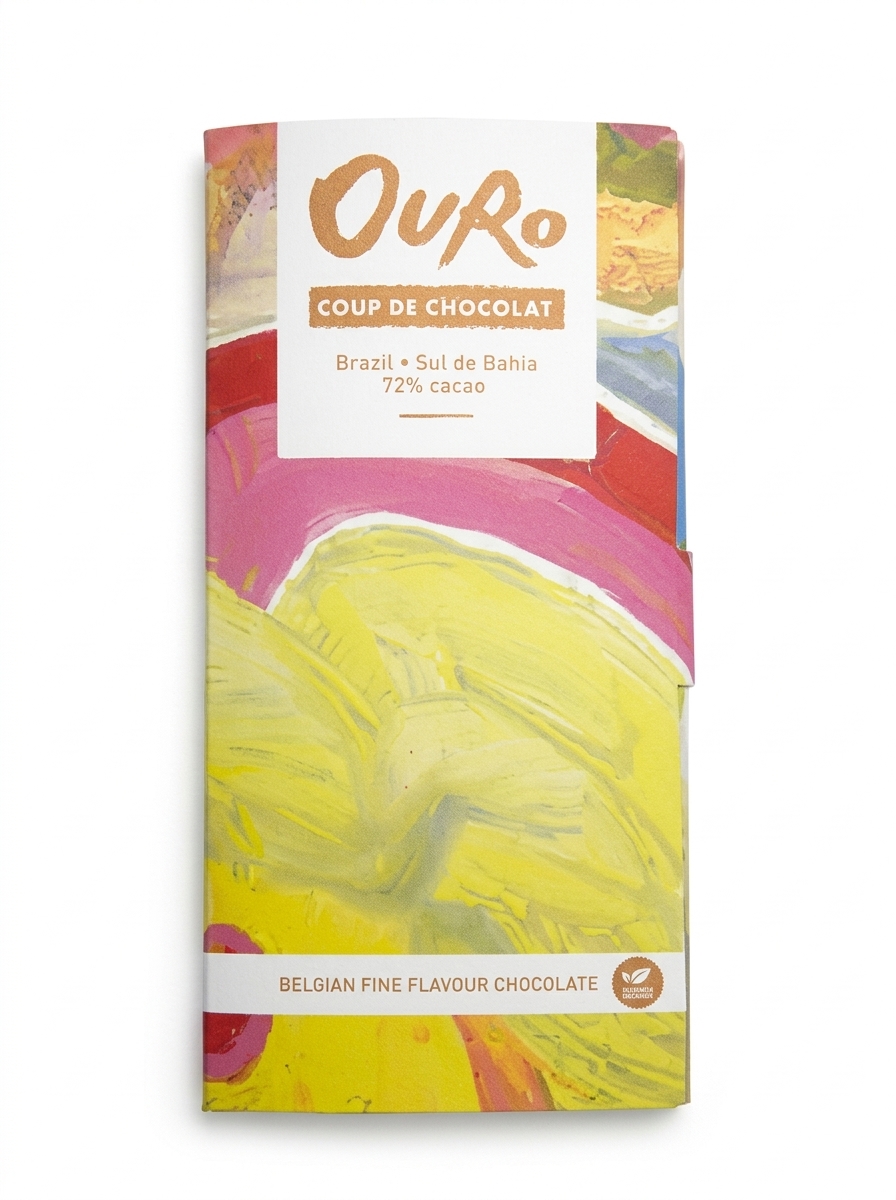
With the name ‘Ouro’ (Portuguese for ‘gold’), Coup de Chocolat pays homage to the golden-headed lion tamarin. Native to Brazil, this little monkey is the focus of a project supported by the processing of this cacao and the purchase of this chocolate bar. The project explores how cacao can be cultivated in harmony with the environment, helping to preserve the habitat of these magnificent animals—along with all the other wonderful life that thrives there. It is vital research, and yet another reason to enjoy this exquisite chocolate.
We find this creation to be a great success. It is a dark chocolate (72%), which Coup de Chocolat describes as having an intense chocolate flavor with notes of roasted hazelnut and berries.
These notes are certainly present, and we particularly appreciate the balance of flavors—a delightful, robust tasting experience that also leans into woody undertones. It offers a complex flavor profile, a creamy texture, and a pleasant finish. A wonderful bar to discover!
Ingredients: cacao, cane sugar, cacao butter.
Net weight: 45 grams.
Awards: Winner of a star at the Great Taste Awards and a silver medal at the International Chocolate Awards (EU).
You can also find more background information on Instagram regarding the project and how Coup de Chocolat is involved:
I am happy to be able to contribute to biodiversity in the region by returning part of the profit to support the project @projeto.biobrasil in Sul da Bahia.
The best cacao is forest-grown, well-tended, and cultivated in healthy soil where biodiversity thrives! Since 2002, the Antwerp Zoo Centre for Research and Conservation has coordinated this project, which studies the golden-headed lion tamarin. This small monkey is an endangered species, as its habitat is shrinking due to deforestation. The project strives for regenerating the forest together with cacao farmers, building corridors between forests.Our funding is used for activities that encourage farmers to implement agroforestry techniques, combining cacao trees with other indigenous trees and crops such as maize, banana. Once a week farmers gather for technical training (inoculation, organic fertilizers, building clonal garden & demonstration plots…) and share experiences.